Private Suite
Enclosed sleeping environment with bed dimensions, blackout capability, and temperature zoning for genuine rest on long-range flights.

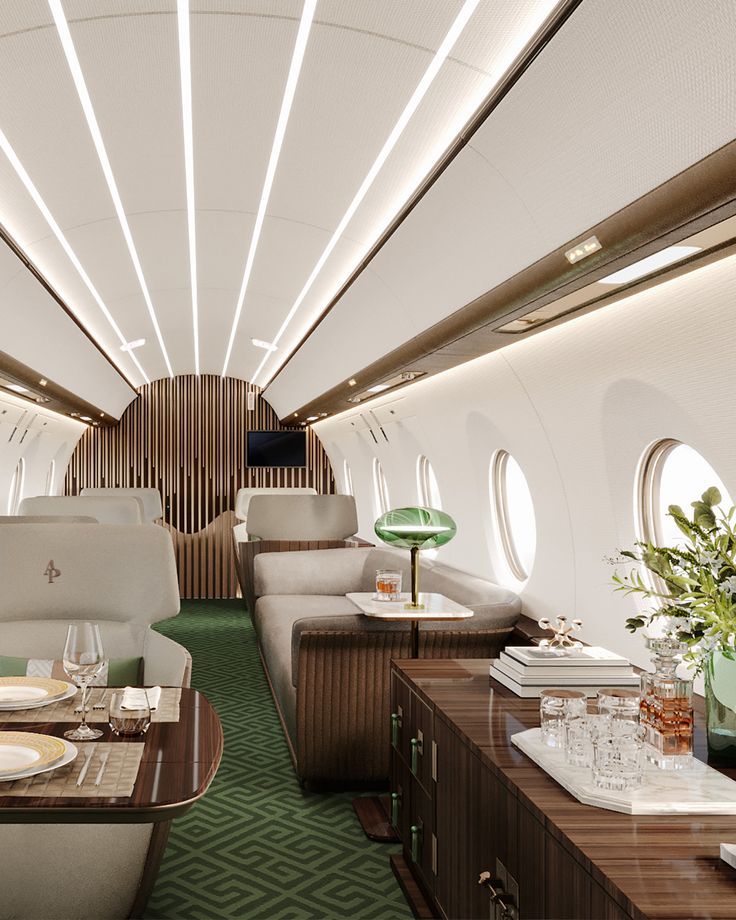
Cabin interiors that perform under constraint, in motion, at altitude, over time.
Private jet interiors operate under conditions that fundamentally change how space is conceived. Valecasa designs private jet interiors as integrated systems, where layout, materials, and construction align with both aviation engineering and spatial experience.
.png)
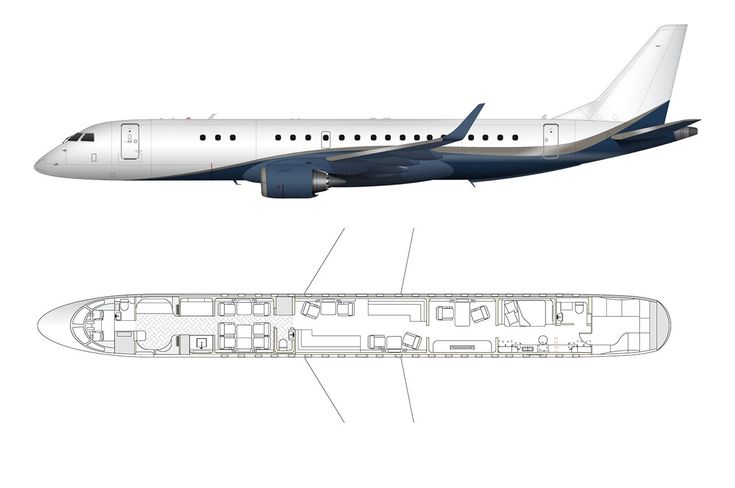
Circulation is linear. Zoning must ensure each function transitions smoothly without disrupting the overall experience.
Resolved within a continuous spatial sequence.
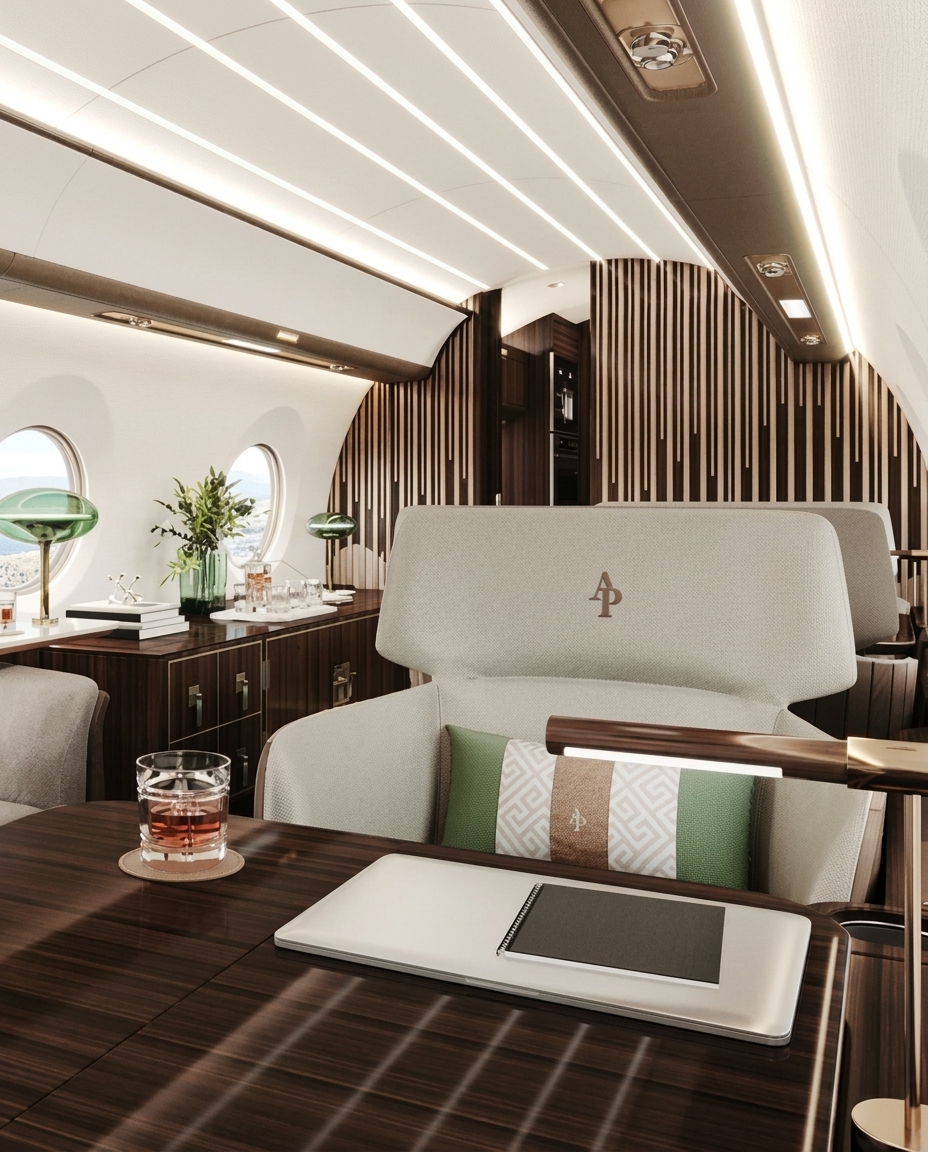
Seating, table positioning, and sightlines planned around how the owner uses the aircraft, meetings, family travel, or solo transit.
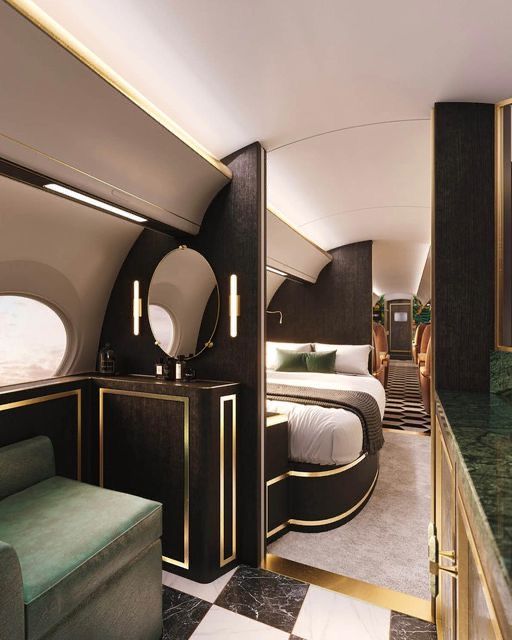
Enclosed sleeping environment with bed dimensions, blackout capability, and temperature zoning for genuine rest on long-range flights.
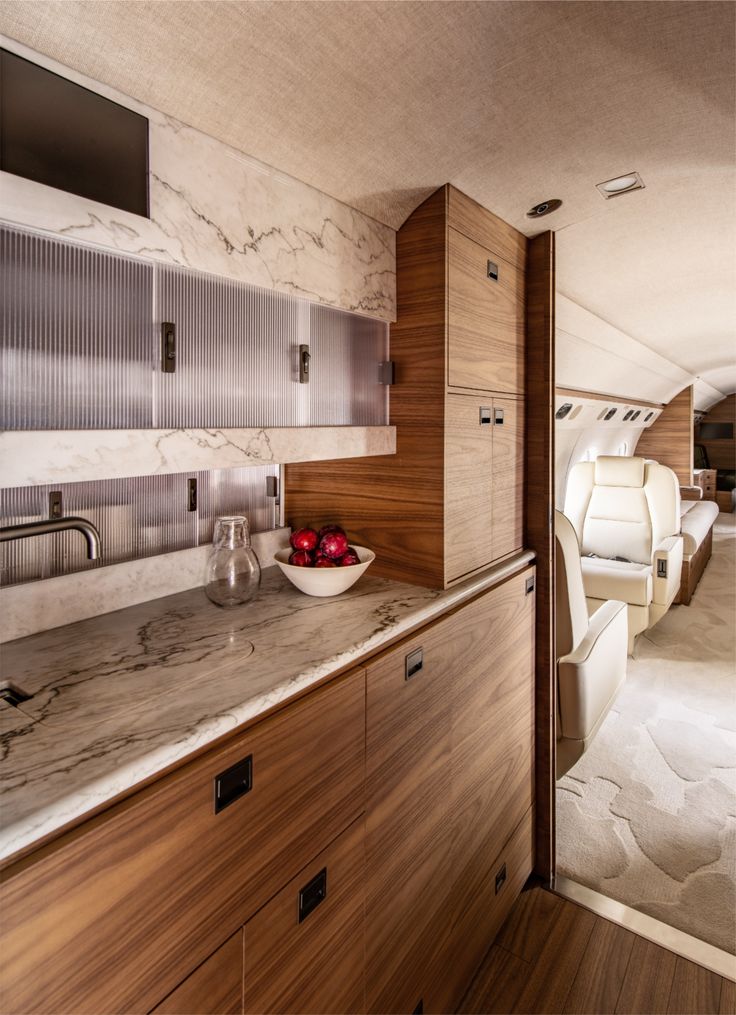
Storage capacity, thermal equipment, and crew workflow coordinated for multi-course service within the available cabin footprint.
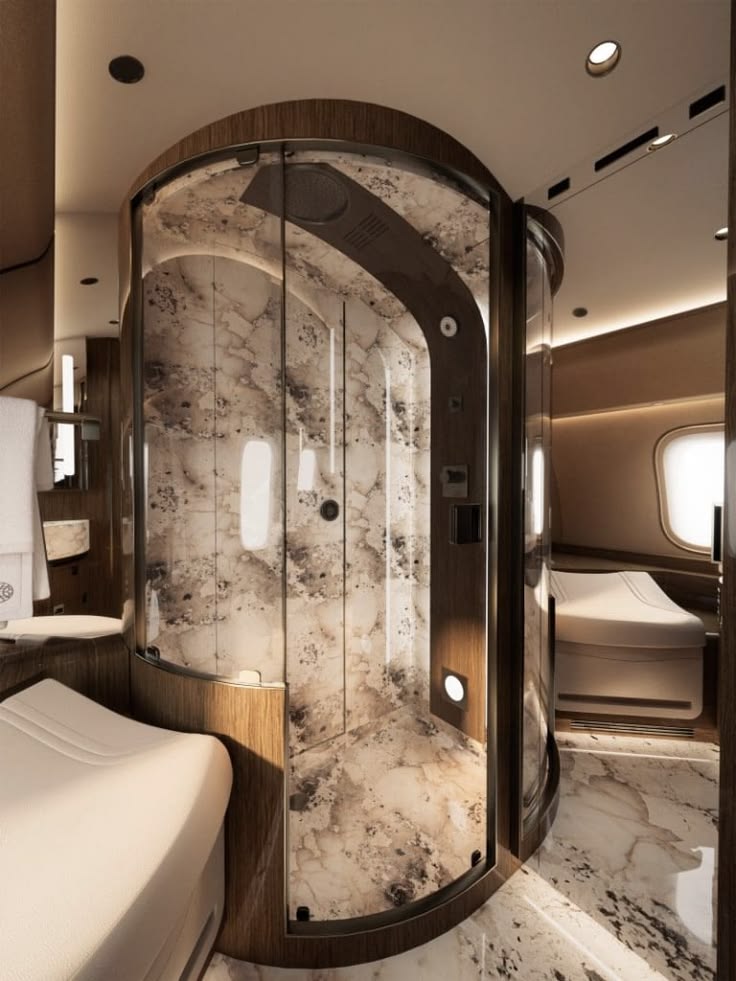
Colour-accurate mirror lighting, premium surfaces, and intelligent storage designed within the certification envelope.
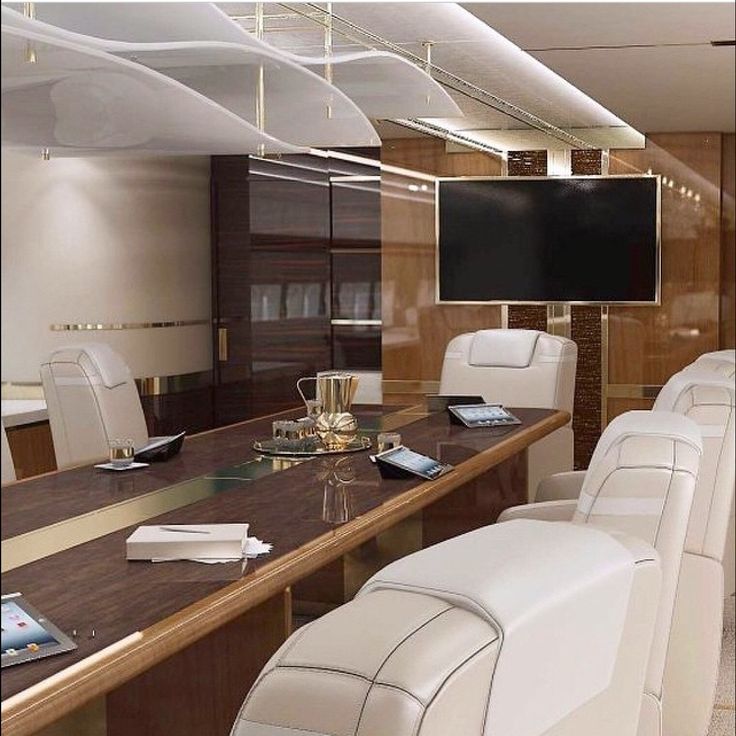
Convertible seating and table systems transitioning between meeting and dining configurations. Power and connectivity embedded in joinery.
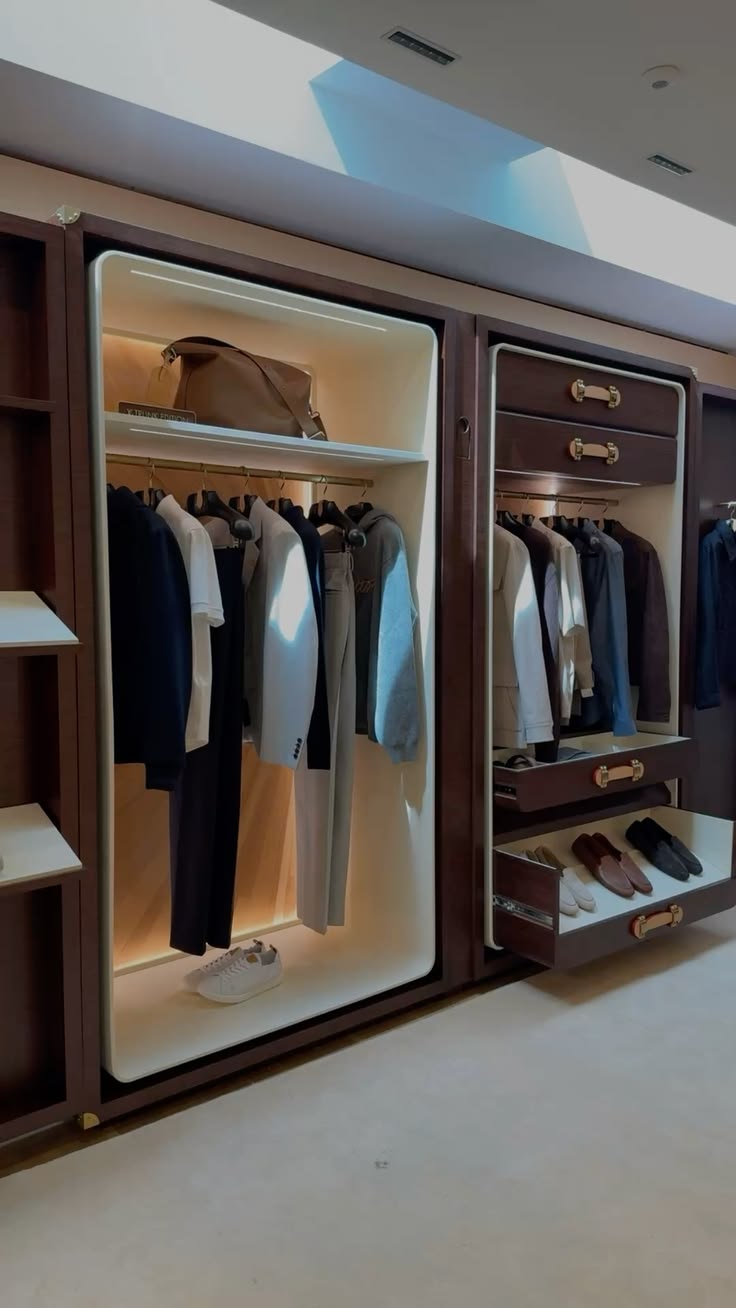
Integrated into structural elements, secure during flight, accessible without disruption.
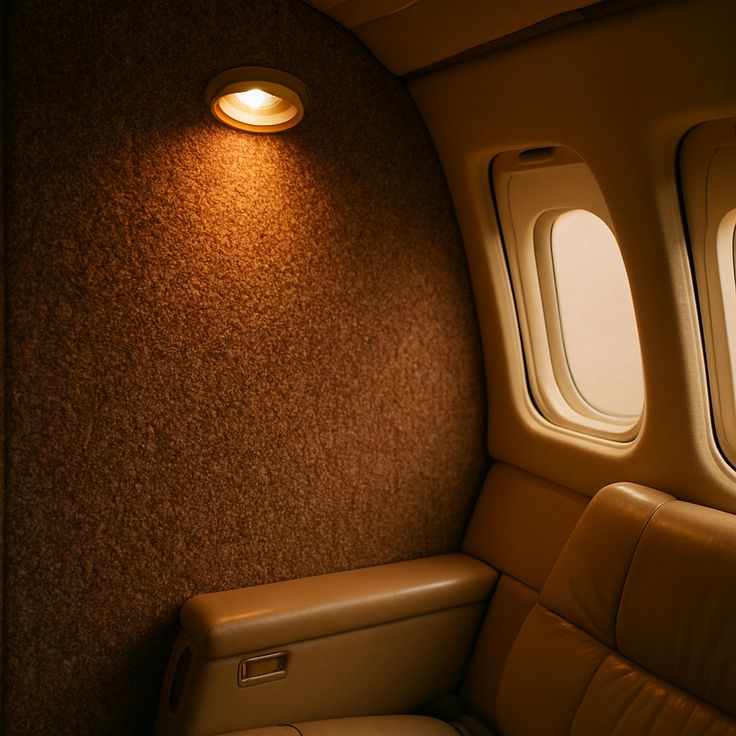
Indirect ambient lighting, task-specific illumination, adjustable intensity. Supporting visibility, comfort, and circadian rhythm.
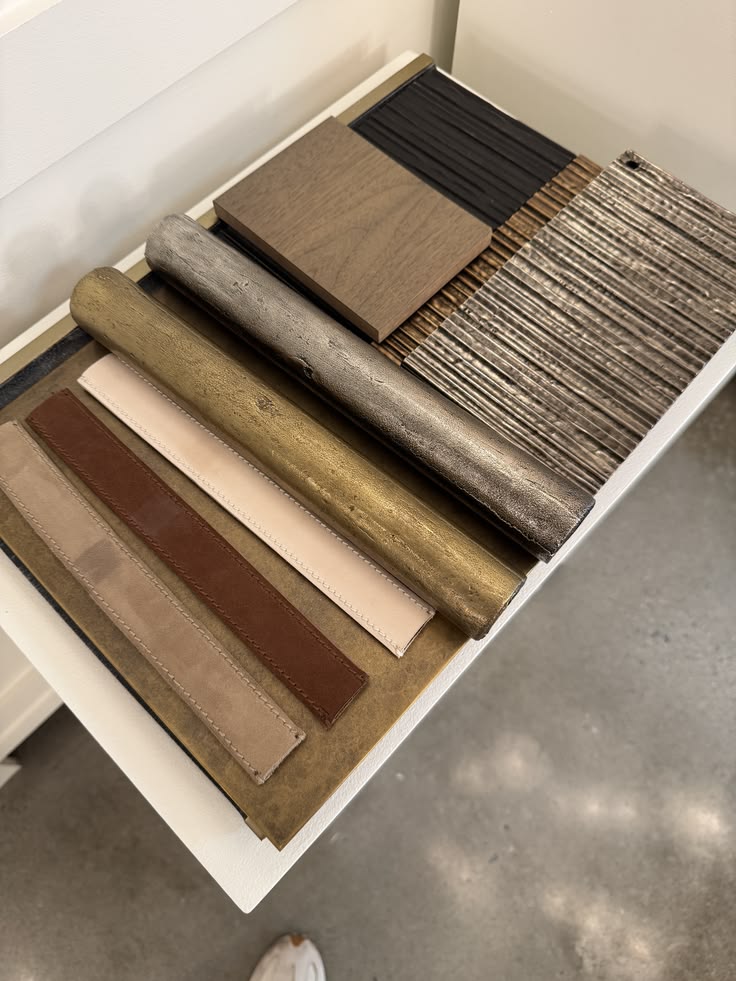
Materials are chosen based on weight efficiency, certification compliance, resistance to wear and moisture, and ease of maintenance.
Cabin technology systems, lighting, temperature, shading, entertainment, connectivity, are embedded within the spatial design. The interface should feel natural, not technical.
.svg)
Lightweight composite panels with veneer finishes
Aviation-grade leather upholstery
Carbon fibre or aluminium structural components
Matte, glare-controlled surface treatments
At altitude, these issues are amplified. They affect not only experience, but performance of the space itself.
Luxury spaces adapted from residential design
Layout, materials, and construction aligned with aviation engineering from the start
Layout, materials, and construction aligned with aviation engineering from the start
Decorative environments layered onto technical structures
Clear zoning within a linear layout with efficient transitions
Clear zoning within a linear layout with efficient transitions
Engineering-led builds without spatial refinement
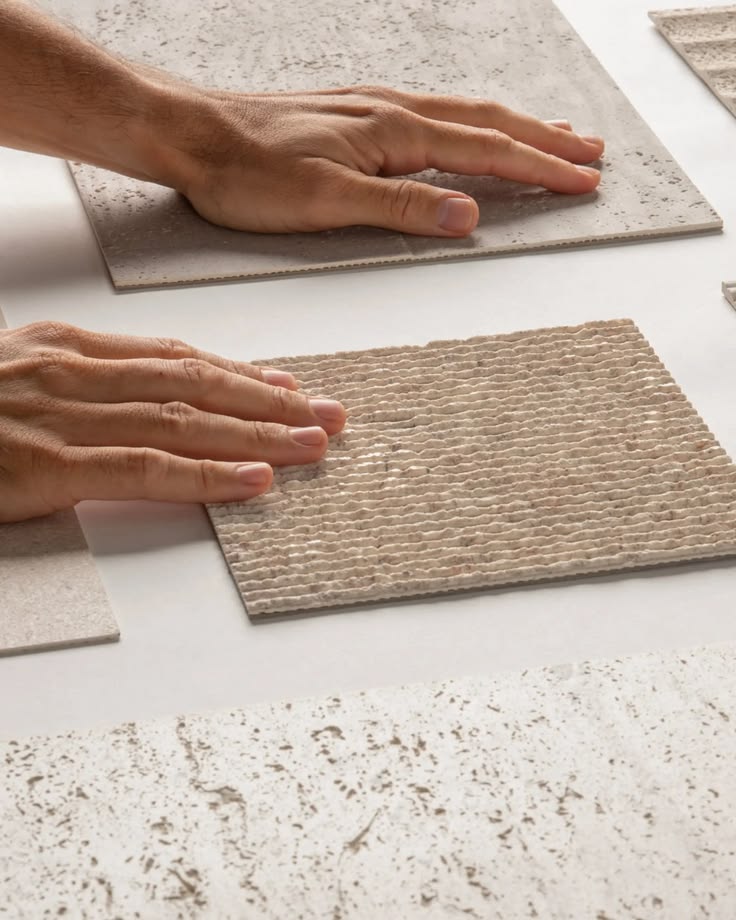
Materials selected for weight, certification, and durability, not appearance alone
Materials selected for weight, certification, and durability, not appearance alone
Inefficient layouts and excessive visual density
Design and engineering developed simultaneously
Design and engineering developed simultaneously
Compromised comfort and material inconsistency over time
Stable seating, controlled lighting, and acoustics designed for motion
Stable seating, controlled lighting, and acoustics designed for motion
Design and engineering treated as separate processes
Visual restraint: controlled palette, minimal transitions, seamless surfaces
Visual restraint: controlled palette, minimal transitions, seamless surfaces
Ignoring weight and material certification constraints
Overloading the cabin visually
Failing to integrate systems early in the process
Prioritizing appearance over certification feasibility
Treating design and engineering as separate processes
Every decision is resolved within the realities of aviation from the beginning.
Every decision is driven by constraint. Clear zoning within a linear layout. Efficient transitions between functions. The objective is not to maximize elements, but to resolve them.
All materials selected for aviation conditions: lightweight construction, fire and safety compliance, durability under continuous use. Luxury achieved through precision, not excess.
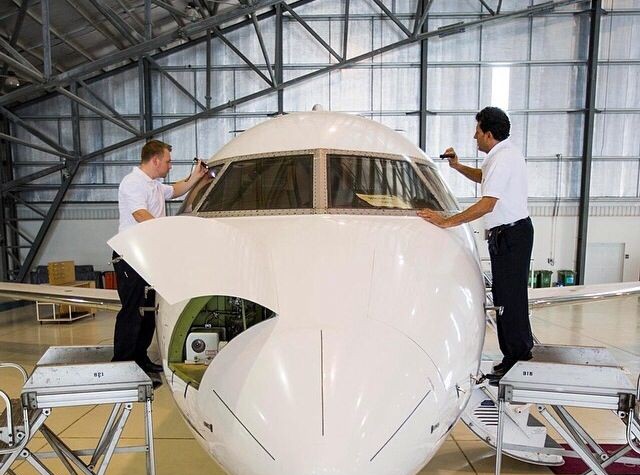
Design and engineering developed simultaneously. Structural integration of furniture and panels. Certification requirements (FAA / EASA). System coordination from early stages.
The interior must perform while moving. Stable seating, ergonomic proportions, controlled lighting and acoustics. Every element is designed for use.
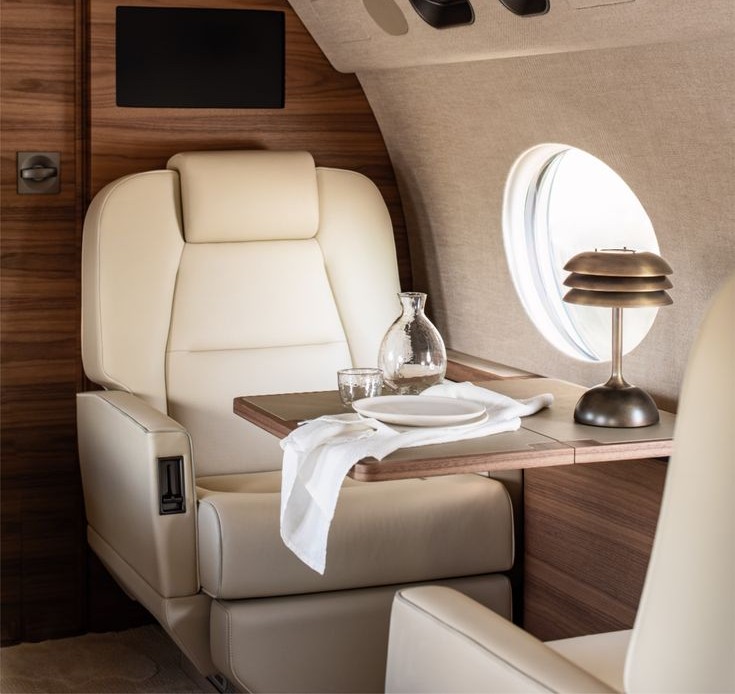
Space is limited. Clarity becomes essential. Controlled material palette, minimal transitions, seamless surfaces. A cabin that feels composed, not compressed.
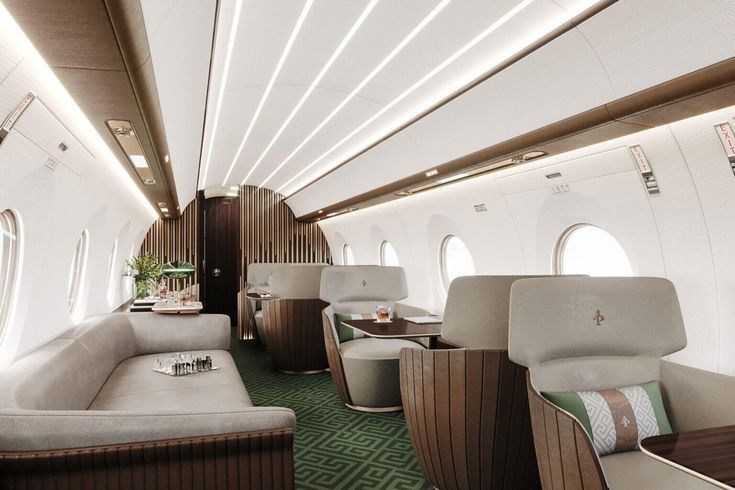
Design clarification, material approval, and quality oversight through completion centre build. Colour and finish verification under cabin-representative lighting.

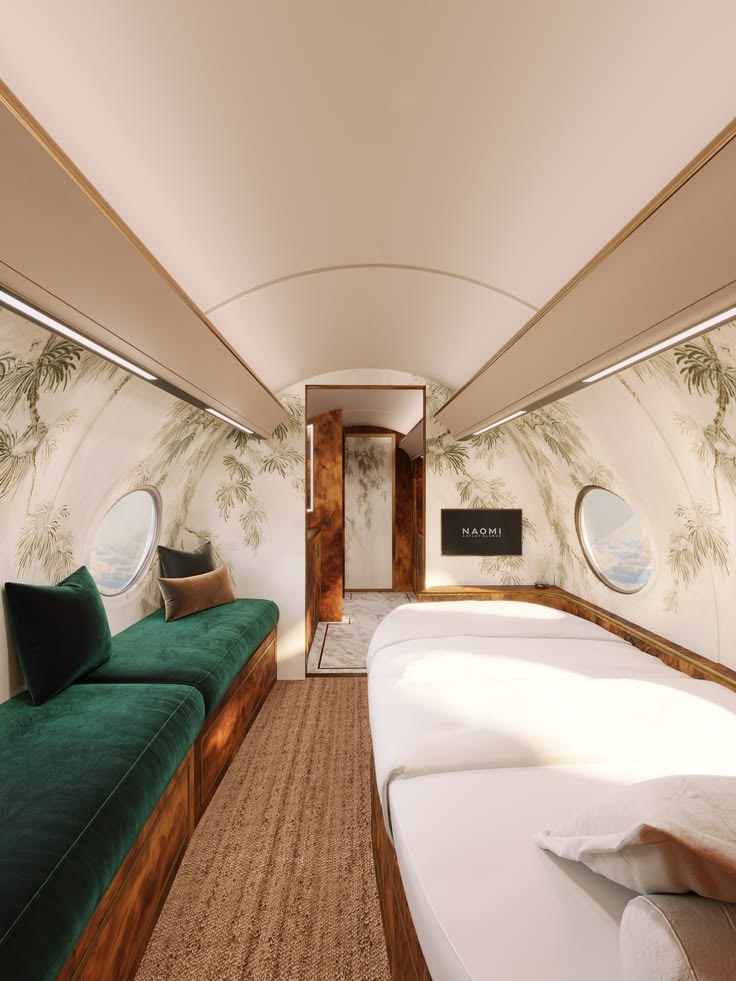
Every aircraft comes with its own limitations: space, weight, engineering and material requirements. We work within them from the beginning, creating interiors that feel considered, comfortable and visually resolved.

A private jet isn't simply a luxury home in the sky.
Every decision has technical consequences.
Materials are selected not only for appearance, but also for weight, fire certification, durability, maintenance, and how they perform under constant vibration and changing cabin pressure. Even seemingly simple choices, such as replacing a veneer or changing upholstery, can influence weight, balance, certification requirements, or maintenance schedules.
Designing a private jet means balancing engineering requirements with comfort, craftsmanship, and the passenger experience.
Every kilogram matters on an aircraft.
Unlike a residence, additional weight affects fuel consumption, operating costs, payload capacity, and, depending on the aircraft, overall performance.
That doesn't mean every interior needs to feel minimal.
It means selecting materials intelligently. Lightweight honeycomb panels, aerospace-certified composites, aluminium structures, and carefully selected veneers often achieve the same visual quality while keeping unnecessary weight to a minimum.
A well-designed cabin should never feel lightweight, even when the construction behind it is.
Because aircraft operate in completely different conditions.
Cabins experience vibration, pressure changes, fluctuating humidity, and strict fire safety regulations. Materials also need to withstand frequent cleaning and years of heavy use without degrading.
Many residential materials simply aren't suitable for aviation. The challenge isn't finding the most luxurious material.
It's finding the material that delivers luxury while meeting the technical requirements of aviation.
Passengers experience a private jet differently from a house.
The cabin is compact, every surface is close to the occupant, and small imperfections become immediately noticeable.
A stitching line that's slightly misaligned, inconsistent veneer matching, uneven lighting, or poorly positioned storage can have a much greater impact than it would inside a residence.
Smaller spaces demand greater precision.
Frequent flyers develop routines.
Some work throughout the flight. Others use the journey to recover between meetings, games, or performances. Many sleep immediately after take-off.
The cabin should support those habits rather than force passengers to adapt.
Lighting, seating, storage, charging, privacy, table layouts, and even where personal belongings are placed all influence how comfortably someone can use the aircraft over long periods.
Comfort becomes far more important when every journey is spent seated.
Seat geometry, table heights, armrests, lumbar support, circulation space, and reach distances all influence how passengers work, eat, relax, or sleep during flight.
Small ergonomic improvements become noticeable on every trip.
Poor ones become impossible to ignore.
Storage inside an aircraft has to work much harder than storage inside a home.
Passengers often board carrying laptops, handbags, garments, documents, medical equipment, or travel essentials they may need during the flight.
Every item should have an obvious place without making the cabin feel cluttered.
Well-designed storage improves both comfort and safety.
You can't change the size of the fuselage.
You can change how it feels.
Carefully controlled lighting, consistent material palettes, integrated storage, uninterrupted sightlines, and restrained detailing all contribute to a greater sense of openness.
The objective isn't to make the aircraft look extravagant.
It's to make it feel effortless.
Aircraft cabins are highly constrained environments. Every owner uses them differently.
Some hold board meetings in the air. Others travel with family.
Professional athletes may use flights for recovery between games. Executives may work throughout the journey. Entertainers often prioritise privacy before public appearances.
The cabin should support those routines rather than follow a standard layout.
Private jets often remain in service for decades.
Unlike furniture, aircraft interiors are not easily replaced.
Timeless proportions, restrained detailing, and durable materials generally age far better than fashionable colours or short-lived design trends.
A successful cabin should feel just as refined ten years from now as it does on delivery day.
Usually, it is not about adding more.
It is about getting the important things right: comfortable seating, well-planned storage, flattering lighting, good materials, quiet craftsmanship and an interior that supports the way passengers actually travel.
The best cabins do not constantly ask for attention.
They simply make working, resting, dining and travelling feel easier.
We approach private aviation around the way the aircraft will actually be used.
Whether it is primarily for business, family travel, professional sport or a combination of all three, the interior should support the owner's routines rather than simply look impressive on delivery day.
The most successful interiors are the ones passengers stop noticing because everything works exactly as it should.


.svg)
