PRIVATE MEMBERS CLUB DESIGNWHERE MODERN GENTLEMEN & LADIES SPEND THEIR TIME

A new generation of members of private clubs is emerging around how they choose to live, work, and connect. Wellness is no longer limited to fitness or spa amenities. It increasingly influences how people choose where to spend time, meet others, and build communities.

Concepts such as The Maze and Long Lane illustrate how environments can support social interaction without relying entirely on alcohol-led formats.

Many clubs still offer alcoholic beverages, but the environment itself no longer depends on them. The focus shifts toward spaces people can comfortably use for several hours, during both day and evening.

Our furniture is shipped worldwide, with completed projects across the U.S., Europe, Asia, the Middle East, Africa, and Australia.

HOW MEMBERS SPEND TIME: THEN VS NOW

Responsive Comparison Table
BEFORE NOW SPATIAL IMPLICATION
Cigar Ritual Adaptogenic drinks, Matcha Ventilation, terraces, slower social pacing
Whisky as social default Alcohol optional, Mocktails Hospitality works throughout the day
Newspaper or Private study Laptop-based interaction Integrated power and ergonomic table proportions
Conversation in enclosed rooms Informal group exchange Layouts allowing small clusters to form naturally
Limited to evening visit Optional daytime presence Lighting and seating supporting longer stays

HOW WE DESIGN DIFFERENTLY

Valecasa brings together a team across different generations, which allows us to recognise how standards of gathering are evolving. Today, health is increasingly considered part of the environment itself, influencing where people choose to spend time, meet others, and return regularly. We design private clubs and members’ environments as complete spatial systems, where atmosphere, usability, and long-term comfort are considered together.

Spatial planning and zoning that supports different rhythms of interaction

Custom-built furniture and integrated joinery designed for real use

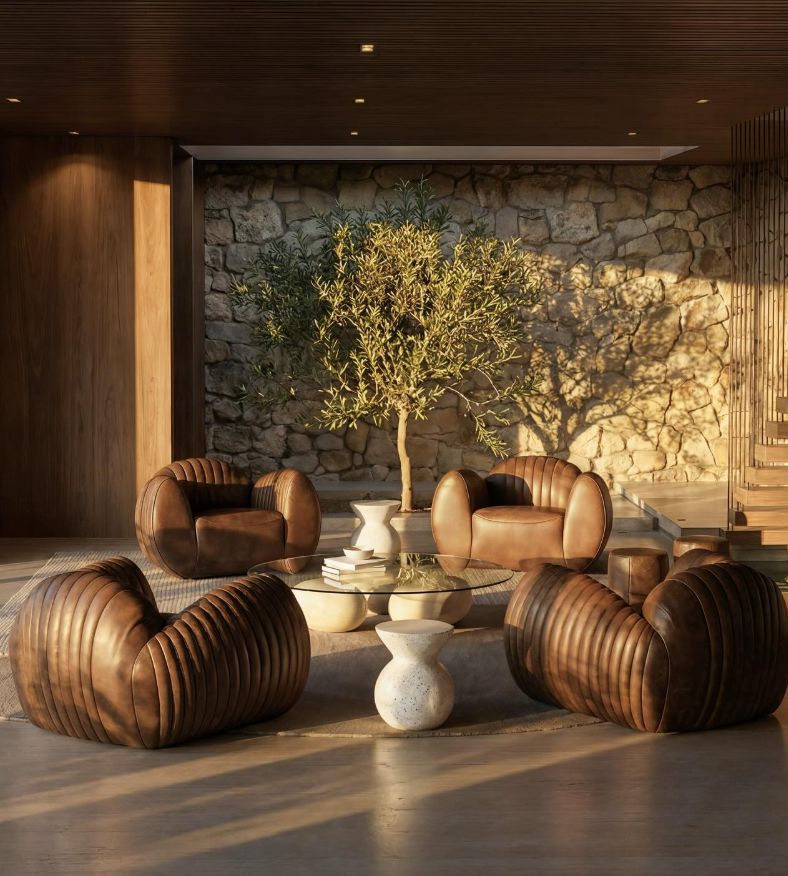
Material, lighting, and atmosphere direction aligned with longer presence

Thoughtful integration of lounge, dining, work, and wellness functions

Identity-driven design language that attracts aligned members

Access to clean, health-conscious food and beverage concepts

Materials that feel natural and considered in everyday use

Lighting that supports extended presence without visual fatigue
WHO THIS IS FOR

PRIVATE CLUB OPERATORS

  • Need stronger member retention
  • Want more consistent space usage
  • Looking to define a clear identity

HOSPITALITY & LIFESTYLE BRANDS

  • Creating club-style environments
  • Extending guest experience
  • Building community-driven spaces

DEVELOPERS

  • Adding premium shared amenities
  • Increasing perceived value
  • Differentiating projects

Because in private clubs: The product is not the space — it’s the experience people return to.

Why build a space people can use — when you can build one they don’t want to leave?

See How Better Visuals Close Bigger Deals

Looks like this section needs a little design magic. Stay tuned!

Frequently Asked Questions

Everything you need to know about Valecasa’s services, materials, and production.
We only have a logo and a rough idea. Is that enough to start?
+ circle
That’s often how projects begin. The early stage is usually about clarifying how the club should function day to day — how people arrive, where they spend time, and what makes them return regularly. From there, spatial structure and atmosphere can be developed in a coherent way.
We don’t want it to feel like a coworking space, but people will still work there.
+ circle
Many members environments today sit between hospitality and workspace. The goal is not to recreate an office, but to remove friction — for example tables that allow a laptop without dominating the space, access to power that is integrated discreetly, and seating that supports longer conversations.
We want the club to feel social without relying heavily on alcohol.
+ circle
Hospitality formats are expanding. Coffee, adaptogenic drinks, low-alcohol options, and food concepts that support longer presence are increasingly common. The spatial atmosphere often plays a larger role than the drink itself in shaping how people interact.
We are still figuring out the balance between lounge, dining, and events.
+ circle
That stage is usually when spatial planning is most useful. Different activities can coexist when zoning allows varying levels of energy, privacy, and duration of stay.
We want people to use the space during the day, not only evenings.
+ circle
Daytime relevance often comes from lighting quality, comfortable seating, accessible hospitality, and layouts that support informal meetings without requiring formal booking structures.
What actually makes people stay longer?
+ circle
Usually a combination of comfort and spatial clarity. Seating that remains comfortable after an hour, lighting that does not create fatigue, acoustics that allow conversation, and enough spatial variety so members can choose where they feel most at ease.
Small environmental details often influence behaviour more than visible features.
We want the space to feel distinctive, but not overly styled.
+ circle
Identity tends to come from consistency rather than decoration — how materials relate to each other, how lighting is balanced, how proportions feel. When these elements align, the environment becomes recognisable without needing strong visual gestures.
Can custom furniture be part of the design?
+ circle
Often it helps resolve practical questions — proportions that suit the layout, integrated power access, material continuity, or seating designed for longer presence. Custom elements are typically developed where standard pieces don’t fully address the spatial intention.
Our team is international. Can collaboration happen remotely?
+ circle
Projects often involve coordination across locations. Spatial direction, drawings, and specifications can be developed centrally and implemented locally with the appropriate partners.
We want the club to remain relevant long-term, not feel trend-driven.
+ circle
Materials, proportion, and spatial clarity generally age better than highly expressive stylistic gestures. The aim is to create environments that remain comfortable to use even as preferences evolve.
© 2015-2026 Valecasa. All rights reserved. Designed and developed by Bykarya.
We acknowledge the Traditional Owners of the land where we work and create—the Javanese people—and honor the artisans of Jepara, whose craftsmanship has been passed down through generations. We pay our respects to their heritage, culture, and traditions, celebrating the stories and skills that continue to shape the soul of Indonesian woodworking.